About the Profession
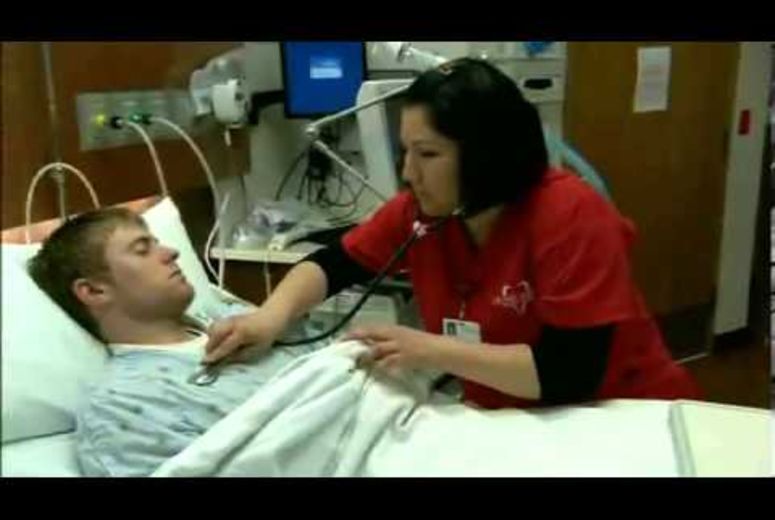
Respiratory care is a profession that promotes cardiopulmonary health and function in people with heart and lung abnormalities or disease. Newborn, pediatric, adult, and elderly patients are treated for a wide range of problems. They range from infant respiratory distress syndrome, trauma and cardiopulmonary arrest to conditions brought on by shock or post-operative surgical complications. They also include respiratory diseases such as pneumonia, asthma, cystic fibrosis, chronic bronchitis and emphysema.
The respiratory care practitioner is a member of the patient's healthcare team. This may be in medical centers, skilled nursing facilities, outpatient rehabilitation programs, physician offices or in-home care
Many are involved in research and development of innovative care and equipment. They are effective communicators and compassionate caregivers possessing an awareness of cultural sensitivity and diversity. They have leadership roles in patient education, wellness intervention, and development of respiratory care plans. Respiratory care professionals apply critical thinking skills in cardiopulmonary diagnostics. They also perform patient assessment to optimize decision making and delivery of patient care. Today, there is a greater demand for educated, skilled respiratory care practitioners. We are in a time of technology, a growing elderly population, and patient increase in asthma and chronic lung disease.
Advances in respiratory medicine, technology and healthcare have created a need for better educated respiratory care practitioners with diverse abilities. Research from the National Board for Respiratory Care reveals employers now expect higher skill levels from respiratory education program graduates. Graduates need better critical thinking and problem solving skills and stronger verbal and written communication skills as well as computer literacy.
Loma Linda University School of Allied Health offers several program options in the field of Respiratory care.
- Bachelor of Science in Respiratory Care( Entry-Level/Traditional) Graduates are eligible to sit for the US National Board for Respiratory Care to become a Registered Respiratory Therapist (RRT) to enable licensure by the State of California (and other states) as a Respiratory Care Practitioner (RCP).
- Post-Professional Bachelor of Science in Respiratory Care The post-professional bachelor's degree is for practicing respiratory therapists with a previous AS degree in respiratory therapy. They want to continue their education and obtain a bachelor of science in respiratory care.
- Master of Science in Respiratory Care: The MSRC program is for individuals who wants to pursue graduate work in the field of cardiopulmonary sciences.
- Polysomnography Certificate: The polysomnography certificate is for individuals who are interested in the field of sleep medicine. If you are interested in becoming a respiratory therapist and sleep therapist/technologist, please contact us. We will set up the right program for you.
- The Loma Linda University, CoARC # 200161, Entry-Level Bachelor of Science in Respiratory Care Program, Loma Linda, California, USA is accredited by the Commission on Accreditation for Respiratory Care (www.coarc.com).
- Programmatic outcome data can be found at: https://coarc.com/students/programmatic-outcomes-data/