

Rated
Loma Linda University Physical Therapist Assistant Program Ranked #1 for the 4th Year in a Row
See why we have been ranked the top PTA Program in the United States for the 4th year in a row by College Factual's Best Schools for Physical Therapy Assistant Programs!
Learn more
Welcome!
The field of physical therapy offers diverse career opportunities for those interested in medical science and patient care. Physical therapist assistants (PTAs), skilled paraprofessionals, work under the supervision of physical therapists to help patients regain functionality, performing treatments, exercises, and using specialized equipment. PTAs can find employment in hospitals, clinics, rehabilitation centers, and public agencies.
The 15-month PTA Associate degree program at Loma Linda University starts in June and combines hands-on clinical experience with classroom instruction, preparing graduates to be integral members of rehabilitation teams that work alongside physicians, therapists, and other healthcare professionals to optimize patient recovery. Courses are taught during daytime hours and usually 4-5 days a week depending on the quarter of study. Class times may vary by quarter depending on instructor and classroom availability.
Register for an Information Session Apply Now
Why Choose LLU's Physical Therapist Assistant Program?
- Exceptional Education: Our nationally recognized program boasts a 100% employment rate for graduates and a 95% or higher ultimate board pass rate, consistently above the national average. With a dedicated faculty and a comprehensive curriculum, we equip our graduates with the skills and knowledge to excel in the workforce.
- Time-Saving & Cost-Efficient Pathway: We offer the lowest overall tuition rate of any private university PTA program in Southern California, and in just 15 months! We start working with prospective students as early as highschool to ensure they are guided through the fastest, most-efficient track to becoming a Physical Therapist Assistant possible. Schedule a personal consultation with Program Director R. Jeremy Hubbard for advisement.
The Loma Linda Difference
Our institution stands out from the rest with our commitment to Whole Person Care. By starting your healthcare journey with Loma Linda University, you will join a community that values excellence, compassion, and holistic education by learning to look beyond numbers and diseases, and incorporates compassionate mental and spiritual health into patient care. Just a few of the other reasons our institution's educational experience is exceptional and unique include:
- Faith-based academic experience that creates a safe learning environment for students to grow in their faith and spirituality
- Clinical opportunities within our historic, nationally-ranked level 1 trauma center
- Service opportunities that are local and international to enhance learning and serve others
Program Overview
Prerequisites
Required: A minimum GPA of 2.5 in the science and in non-science prerequisite courses (grades below a C are not accepted) and a minimum total of 48 quarter units/32 semester units (including prerequisites), transferred from an accredited college/university. Applicants with an earned bachelor’s degree in any subject need to complete only the prerequisites marked with asterisks (**). For advising on prerequisite coursework, email unofficial transcripts to [email protected] or [email protected] include “PTA” in the subject line.
Natural Sciences
- **Human Anatomy and Physiology w/ lab, 2 course sequence preferred, or General Biology w/ lab, complete sequence accepted
- **Introduction to Physics w/ lab, one quarter or one sem. (included in science GPA)
Mathematics
- **Two years of high school-level mathematics selected from Algebra 1 (elementary), Algebra II (intermediate) Geometry, with grades of C (2.0) or better. (May be taken in high school or college, intermediate algebra is required and credits are not transferable).
Humanities
- One course- Minimum of 4 quarter units or 3 semester units. American history, Literature, Foreign Language (not ESL), Philosophy, Art/Music (performing arts limited to 2 quarter units).
Social Sciences
- **General Psychology
- **A second Psychology course chosen from the following:
- Growth and Development (preferred)
- Developmental psychology or Abnormal psychology
Communication
- Written- English 8 qtr units/6 sem units. Freshman English sequence (preferred). Include one course in writing skills.
- **Oral- Public speaking (preferred), Interpersonal communication (accepted)
Health and Wellness
- Health Education or two courses of Physical Education
**Medical Terminology
- Can be fulfilled by an accredited college credit course or as a certificate course if taken from an approved site
Electives
- If needed, elective courses from the above-listed domains may be selected to complete the general education minimum requirements of 48 quarter units or 32 semester units.
Physical Therapy Observation or Work Experience
- Minimum of 80 hours of observation (volunteer) under the supervision of a Physical Therapist or PT Assistant, or employment/work experience, with at least 20 hours in an in-patient PT setting and 20 hours in an out-patient PT setting.
Spiritual Heritage/Religion Courses
- Required only if transferring from a Seventh-day Adventist college or university
- 1-12 units= 1 RELE unit
- 13-24 units= 2 RELE units
- 25-36 units= 3 RELE units
- 37+= 4 RELE units (MAX)
- Required only if transferring from a Seventh-day Adventist college or university
International Students
- May be subject to additional admissions requirements
Guidelines for Medical Terminology Courses and Certificates of Completion
- PTA program applicants may complete courses that result in college credit or a certificate.
- All college-level medical terminology (MT) courses for which college credit is assigned are acceptable and transferable for credit to LLU.
- The MT course grade is NOT included in calculations for the GPAs UNLESS the course is needed as an elective to fulfill the minimum number of units that are required to be to be transferred to LLU above and beyond the minimum number of prerequisite course units (48 quarter units or 32 semester units). In this case, it will be included in the “non-science” GPA calculation.
- If an approved MT certificate course is completed, the “college course” requirement will be waived by the program director once the program receives a copy of the certificate of completion.
- If the student has completed--or wishes to complete--a medical terminology certificate course that is not listed below, the student will need to supply additional information to gain approval:
- Send a copy of the certificate to the program office with a copy of the course description or the link where it can be found online
- Course content must include use of root words, suffixes, prefixes and application to human body systems.
- Approved courses are typically entirely devoted to medical terminology and where medical terminology is not simply part of the content delivered in the course.
- Applicants are encouraged to carefully consider the financial impact of each course below as costs vary.
- The list below includes examples of college and certificate courses that are approved –this is not an exhaustive list.
- Universal Class http://www.universalclass.com/i/crn/30445.htm
- Corexcel http://www.corexcel.com/html/online.medical.terminology.htm ($20 discount by using the code LomaLinda)
- Expert Rating https://www.expertrating.com/certifications/healthcare/Medical-Terminology-Certification.asp
- StraighterLine http://www.straighterline.com/online-college-courses/health-science/medicalterminology/medte101mghsl001000001-b.html
- Ed2go Online Career Training: https://www.ed2go.com/courses/health-and-fitness/medical/ctp/medical-terminology-course
- University of Phoenix https://www.phoenix.edu/online-courses/hcs120t.html
Essential Functions Requirements
ALL PTA Program students must demonstrate the ability to:
Cognitive Learning Skills
- Receive, interpret, remember, reproduce and use information in the cognitive, psychomotor, and affective domains of learning to solve problems, evaluate work, and generate new ways of processing or categorizing similar information listed in course objectives.
- Assist in performing a physical therapy assessment of a patient’s posture and movement including analysis of physiological, biomechanical, behavioral, and environmental factors in a timely manner, consistent with the acceptable norms of clinical settings.
- Use evaluation data to execute a plan of physical therapy management, in a timely manner, appropriate to the plan developed by the physical therapist, consistent with acceptable norms of clinical settings.
- Report to the physical therapist any changes in the patient that may require a reassessment or revision of plans as needed for effective and efficient management of physical therapy problems, in a timely manner and consistent with the acceptable norms of clinical settings.
Psychomotor Skills
- Locomotion ability to:
- Get to lecture, lab and clinical locations, and move within rooms as needed for changing groups, partners and work stations.
- Physically maneuver in required clinical settings, to accomplish assigned tasks.
- Move quickly in an emergency situation to protect the patient, e.g. from falling. 2.
- Manual tasks:
- 1. Maneuver another person’s body parts to effectively perform treatment interventions.
- Manipulate common tools used for screening tests of the cranial nerves, sensation, range of motion, blood pressure, e.g., cotton balls, safety pins, goniometers, Q-tips, sphygmomanometer.
- Safely and effectively guide, facilitate, inhibit, and resist movement and motor patterns through physical facilitation and inhibition techniques (including ability to give time urgent verbal feedback).
- Manipulate another person’s body in transfers, gait, positioning, exercise, and mobilization techniques. (Lifting weight up to 100 lbs). Involves bending and twisting by PTA student.
- Manipulate evaluation and treatment equipment safely and accurately apply to clients.
- Manipulate bolsters, pillows, plinths, mats, gait assistive devices, and other supports or chairs to aid in positioning, moving, or treating a patient effectively. (Lifting, pushing/pulling weights up to 100 lbs)
- Competently perform and supervise cardiopulmonary resuscitation (CPR) using guidelines issued by the American Heart Association for "Basic Life Support for Healthcare Providers".
- Small motor/hand skills:
- Legibly record thoughts for written assignments and tests.
- Legibly record/document patient care notes and communications in standard medical charts in hospital/clinical settings in a timely manner and consistent with the acceptable norms of clinical settings.
- Detect changes in an individual’s muscle tone, skin quality, joint play, kinesthesia, and temperature to report such changes to the physical therapist in a timely manner and sense that individual’s response to environmental changes and interventions.
- Safely apply and adjust the dials or controls of therapeutic modalities.
- Safely and effectively position hands and apply therapy interventions.
- Use a telephone.
- Visual acuity to:
- Read written and illustrated material in the English language, in the form of lecture handouts, textbooks, web pages, literature and patient’s chart.
- Observe active demonstrations in the classroom.
- Visualize training videos, projected slides/overheads, X-ray pictures, and notes written on a blackboard/whiteboard.
- Receive visual information from clients, e.g., movement, posture, body mechanics, and gait necessary for comparison to normal standards for purposes of assessing and reporting changes to physical therapist.
- Receive visual information from treatment environment, e.g., dials on modalities and monitors, assistive devices, furniture, flooring, structures, etc.
- Receive visual clues as to the patient’s tolerance of the intervention procedures. These may include facial grimaces, muscle twitching, withdrawal etc.
- Auditory acuity to:
- Hear lectures and discussion in an academic and clinical setting.
- Distinguish between normal and abnormal breathing, lung and heart sounds using a stethoscope.
- Communication:
- Effectively communicate information and safety concerns with other students, teachers, patients, peers, staff and personnel by asking questions, giving information, explaining conditions and procedures, or teaching home programs. These all need to be done in a timely manner and within the acceptable norms of academic and clinical settings.
- Receive and interpret written communication in both academic and clinical settings in a timely manner.
- Receive and send verbal communication in life threatening situations in a timely manner within the acceptable norms of clinical settings.
- Physical Therapy education presents exceptional challenges in the volume and breadth of required reading and the necessity to impart information to others. Students must be able to communicate quickly, effectively and efficiently in oral and written English with all members of the health care team.
- Self care:
- Maintain general good health and self care in order to not jeopardize the health and safety of self and individuals with whom one interacts in the academic and clinical settings.
- Arrange transportation and living accommodations to foster timely reporting to the classroom and clinical assignments.
Affective Learning Skills
- Demonstrate respect to all people, including students, teachers, patients and medical personnel, without showing bias or preference on the grounds of age, race, gender, sexual preference, disease, mental status, lifestyle, opinions or personal values.
- Demonstrate appropriate affective behaviors and mental attitudes in order not to jeopardize the emotional, physical, mental, and behavioral safety of clients and other individuals with whom one interacts in the academic and clinical settings and to be in compliance with the ethical standards of the American Physical Therapy Association.
- Sustain the mental and emotional rigors of a demanding educational program in physical therapy, which includes academic and clinical components that occur within set time constraints, and often concurrently.
- Acknowledge and respect individual values and opinions in order to foster harmonious working relationships with colleagues, peers, and patients/clients.
The PTA Program Overview and Steps to Admission
- Leads to an associate of science degree in physical therapy
- Begins in mid-June, one time per year
- Requires 15-months at LLU after completion & transfer of prerequisite coursework
- Graduates are eligible to take the National PTA Exam for state licensure
- Virtual LLU Campus Tour
- Program Financial Summary
The application portal for this program is open every year from August 1 through April 1. For the best advantage in the application process, we encourage all applicants to submit an online application early in the admissions cycle, that is, prior to November 1. A new cohort of students enters the program each year in June.
Eligibility Requirements
- Transfer of specific college prerequisite courses (32 semester/48 quarter units)
- See separate pdf with list of prerequisites
- Courses must be completed prior to start of PTA program
- Courses may be in-progress at time of application
- Minimum 2.5 GPA in science prerequisites
- Minimum 2.5 GPA in non-science prerequisites
Academic Advising
- For advising on prerequisite coursework, send unofficial transcripts by email to [email protected] or [email protected] and include “PTA” in the subject line.
Application Process
- PTA Application opens August 1st
- Apply here: Here is the direct link to application: LLU PTA Application
- Best time to apply: August 1 - November 1, for the following cohort
- Admissions process timeline: Rolling
- Coursework may be in-progress at time of application
- Final deadline for PTA application: April 1
- Interviews begin in Fall Quarter for qualified applicants who will have:
- Completed at least two of three science prerequisite courses
- An academic plan to complete prerequisite coursework by June
- Recommendations and transcripts submitted to LLU
Admissions Process
- Personal interview with a program faculty member
- Writing assessment at time of interview
- Three recommendations submitted to LLU
- Observation Hours: 80 hours total with a licensed PT or PTA
- Minimum 20 hrs. in inpatient Physical Therapy setting
- Minimum 20 hrs. in outpatient Physical Therapy setting
- See Documentation/Verification Form on PTA webpage o Submit verification directly to program office ([email protected])
- Admission decisions begin when applicants have completed the process above and have met or have a plan to meet the educational requirements prior to the start of the next cohort
- Continue until class is filled
- Other eligible candidates may be given status of “Alternate” and may be admitted if opening occurs in group of initial admissions
Costs
- View program cost estimates here.
- LLU Financial Aid Office: (909) 558-4509 • For more details Financial Aid | Loma Linda University (llu.edu) • FAFSA information: https://studentaid.gov/h/apply-for-aid/fafsa o
- Submit FAFSA form as early as possible
Questions?
- PTA Office: 909-558-4634 o Andrea Lopez, Administrative Assistant Sr. o [email protected]
Tips for PTA Program Admission
- Submit your online application early (Between August 1 and November 1 for the following June start date).
- Complete all the science coursework prerequisites as early in your admission cycle as possible. The science GPA is very significant in determining eligibility and early admission.
- For advising on prerequisite coursework, send unofficial transcripts by email to [email protected] or [email protected] and include “PTA” in the subject line
- Secure funding for your education early. Apply for financial aid early even if you have not received an acceptance letter yet. Financial aid
- Visit our campus, attend one of our open houses or information sessions, call and ask questions, or schedule an appointment so that you can talk to us about your educational goals.
- Ask questions.
- Keep track of who you speak with when contacting our school. This will help us better serve you when you contact us again.
- Start a personal file and make personal copies of admissions elements before you submit them. Print out a copy of your application.
- Keep in contact with the desired SAHP department regarding your admission status.
- Submit requests to your school(s) for your final college transcripts immediately after you submit your LLU application, so that they can be forwarded to us asap.
- Remember: When official transcripts are required, do not send your own college transcripts or personally deliver them. They will not be accepted as “official” and you will be asked to have another copy sent. Request that your transcripts be sent directly from your previous institution(s) to LLU.
- When completing your application online, write down your login LLU Login ID and PIN for future use. If you forget your login ID, you will be required to complete a new application. Your PIN can be retrieved with your Login.
- Check your application status online by logging in with your LLU Login ID and PIN and follow-up on missing items.
- Processing applications take several weeks to complete once you have submitted your online application and fee. International student applications take longer.
- If you have difficulty finding a required prerequisite course, contact [email protected] or [email protected] for advising. Some courses may be taken online or at LLU. Science courses are recommended to be taken in a classroom/lab setting.
- Study hard to achieve the highest grades possible on prerequisite courses. Note that grades of C- or below cannot be transferred to LLU for credit. LLU will recognize the last grade of repeated courses.
- Please notify SAHP Admissions of any changes which occur after submission of your application, such as name, address, email, phone, projected coursework, current coursework, deferred acceptance, and declined offers of acceptance.
- Note: Application fees and admission deposits are nonrefundable.
- In order to confirm your admission if you are accepted, you must send in the required deposit to ensure your acceptance is final.
- International students must use an LLU-approved transcript evaluation service and have their evaluations sent directly to LLU. See the international student page for the latest information.
- International students are encouraged to begin their transcript evaluation process before applying by sending their transcripts to a LLU-approved evaluation center. This process may take several weeks or months.
- Search online for scholarships pertaining to your chosen profession.
- Observe or shadow PTs and/or PTAs at clinical sites to help make your career choice. Professional exposure and experiences benefit the student.
- When sending or requesting information, please include your full name, contact email.
Summer
12 Weeks, Mid June-Early September
| Course Number | Course Name | Units |
| PTAS 201 | Anatomy (w/ lab) | 4 |
| PTAS 205 | Intro to Physical Therapy | 1 |
| PTAS 206 | Documentation Skills | 1 |
| PTAS 212 | P.T. Procedures (w/ lab) | 3 |
| PTAS 231 | P.T. Biophysical Agents (w/ lab) | 3 |
| PTAS 275 | Psychosocial Aspects of Health | 2 |
| PTAS 265 | Professional Seminar | 0 |
| RELE 257 | Health Care Ethics | 2 |
| SUMMER QUARTER TOTAL | 16 | |
Autumn
12 Weeks, Late September-Late December
| Course Number | Course Name | Units |
| PTAS 203 | Applied Kinesiology (w/ lab) | 3 |
| PTAS 204 | Applied Gait (w/lab) | 1 |
| PTAS 224 | General Medicine I (w/ lab) | 3 |
| PTAS 225 | Neurology | 3 |
| PTAS 227 | Therapeutic Exercise (w/ lab) | 2 |
| PTAS 236 | Applied Electrotherapy (w/ lab) | 3 |
| PTAS 265 | Professional Seminar | 0 |
| AHCJ 305 | Infectious Disease & the Healthcare Provider | 1 |
| AUTUMN QUARTER TOTAL | 16 | |
Winter
11 Weeks, Early January-Late March
| Course Number | Course Name | Units |
| PTAS 226 | Orthopedics (w/ lab) | 3 |
| PTAS 234 | General Medicine II (w/ lab) | 1 |
| PTAS 238 | Wound Care | 1 |
| PTAS 243 | Applied Geriatrics (w/ lab) | 3 |
| PTAS 252 | Applied Neurology (w/ lab) | 3 |
| PTAS 275 | Applied Orthotics and Prosthetics (w/ lab) | 2 |
| PTAS 265 | Professional Seminar | 0 |
| RELE 275 | Intro to Art & Science of Whole Person Care | 2 |
| WINTER QUARTER TOTAL | 15 | |
Spring
11 Weeks, April- Mid June
| Course Number | Course Name | Units |
| PTAS 293 | PTA Clinical Experience I (first 6 weeks of term) | 6 (3) |
| PTAS 241 | Applied Pediatrics (w/ lab) | 2 |
| PTAS 251 | Orthopedics II (w/ lab) | 3 |
| PTAS 261 | P.T. Practice | 1 |
| PTAS 265 | Professional Seminar | 1 |
| SPRING QUARTER TOTAL | 13 (10) | |
Summer
12 Weeks, July-September
| Course Number | Course Name | Units |
| PTAS 294 | PTA Clinical Experience II (6 weeks) | 6 (3) |
| PTAS 295 | PTA Clinical Experience II (6 weeks) | 6 (3) |
| SUMMER QUARTER TOTAL | 12 (6) | |
Total Units: 72 academic units (63 tuition units)
Download the Observation Hours Verific Form
Supervised clinical experience is obtained in a variety of settings during the program. Students complete a two-week practicum and three major clinical assignments, each six weeks in length.
All clinical assignments will be made by the coordinator of clinical education or a designate (or program director). Because local facilities are limited, assignments cannot be made based on the student's family/marital status or personal preference. The department makes an effort to accommodate student preference; however, the student agrees to accept assignment to any affiliated facilities. These affiliated facilities may be local or out of state. Clinical facilities may also require a background check and/or fingerprinting. They may have certain stipulations (ie, immunizations, CPR certification) that need to be met before the student is assigned. Costs for these requirements are the student's financial responsibility.
Professional Registration
Satisfactory completion of the degree requirements and clinical affiliation qualifies the student to sit for the National Physical Therapist Assistant Licensing Examination. Licensure is not required in all states for the physical therapist assistant to practice. Information about licensure or registration in the state in which one wishes to practice can be obtained on the web at www.fsbpt.org
Professional Association
Students and graduates are eligible for membership in the American Physical Therapy Association. The objective of the association is to foster development and improvement of service and education. This organization grants membership at a nominal cost to students of approved schools. Students are required to become members of this association while in the program. The national office of the American Physical Therapy Association is at 1111 North Fairfax Street, Alexandria, VA 22314.
What kind of work do physical therapist assistants do?
- Physical Therapist Assistants (PTAs) work under the direction and supervision of licensed Physical Therapists (PTs) in providing therapy treatments to patients/clients. PT services include manual techniques, activities and modalities to assist persons with functional impairment to reach their full potential. PTAs work in a wide variety of settings with patients of all ages from infant to elderly: acute care and rehabilitation hospitals, skilled nursing facilities, outpatient clinics, schools and in athletics. Well-trained PTAs are highly respected in the PT field.
How can I be sure that the physical therapy field is for me?
- Applicants must complete a minimum of 80 hours of work or observation in a PT work setting. At least 20 hours must be completed in an in-patient setting (hospital or skilled nursing facility) and at least 20 hours must be done in an outpatient setting. Contact local clinical facilities in order to make arrangements to observe PTs or PTAs at work with their patients. This experience may help you decide if PT is the field for you and give you some familiarity with PT clinical settings which will heighten your learning experiences during your academic preparation at LLU.
What is the job market like for PTAs?
- The current job market for PTAs is strong and demand is projected to increase. The US Bureau of Labor Statistics projects for 2020-2030 that job growth of physical therapist assistants will increase by 32%. Further, they state this is, “much faster than the average for all occupations”. This increase is partly due to the high number of "baby boomers" retiring, a large group of individuals who also may need more rehabilitation services. The median pay in May of 2020 was calculated at $59,770/year. California has the highest annual mean wage for physical therapist assistants in the US at $70,570. It is important to note: income varies depending on experience, location and type of setting.
Does Loma Linda University find a job for me when I have finished the PTA program?
- Not exactly, but we do offer help:
- The annual SAHP Job Fair, where you can meet Human Resource Department reps from local and national clinical facilities who are interested in our grads
- Email announcements of PTA job openings received by the program are routinely forwarded to PTA graduates and posted on the LLUH Connect website https://lluhconnect.org/feed
- Many of our students receive job offers subsequent to networking related to their clinical education experiences.
- Not exactly, but we do offer help:
Do students take all of the required courses for the PTA program at LLU?
- No, only the courses in the technical portion of the program are completed in the PTA curriculum at LLU. All of our students must transfer general education courses from other schools to LLU. The natural science prerequisite courses may be taken at LLU or elsewhere. For information on the natural science courses offered at LLU, see alliedhealth.llu.edu/academics/general-education/natural-sciences
Where can I find the prerequisite courses?
- The prerequisite courses may be completed via any regionally accredited university or community college.
When does the program at Loma Linda University begin?
- We start a new class of students once every year in mid-June.
Is this a weekday, full time program or is it done on evenings and weekends?
- This is a full time program, meeting approximately 8 hours per day, Monday through Thursday, typically 8:00 am. – 5:00 pm. However, for the first 8 weeks during the first summer quarter, classes run 1:00 pm – 9:00 pm with a break between 5 pm - 6:00pm. The clinical education courses are generally 40 hours/wk, Monday through Friday.
How long is the PTA program?
- The length of the PTA (technical) program at Loma Linda University spans five quarters, with four days/week for didactic courses and five days/week for clinical courses. The prerequisite courses that must be taken before starting the program may be completed in one academic year (three quarters or two semesters).
Can I take the courses one by one at my own pace?
- No. The curriculum must be taken in sequence and in step with your cohort, as one course builds upon another. You will enroll in a specific “block” of courses reserved for the PTA students each quarter.
When should I apply?
- The best time to apply is EARLY: between Aug. 1 and April 1 for the following June starting date; applications are accepted until April 1. You may apply BEFORE you complete all requirements if you have a plan to complete them before the program begins. If you have difficulty finding and enrolling in the prerequisite courses, you may call the program office for assistance: 909.558.4634.
What Grade Point Average (GPA) do I need in my prerequisites?
- You must have a GPA of at least 2.5 in the three science courses, and at least 2.5 GPA in the non-science prerequisite courses. However, higher GPAs are more competitive. We do not accept any courses with a C- grade or lower. When calculating your GPA, we only include the grades earned on the prerequisite courses. No other courses are included.
If I do not have the required GPA, is there any hope of getting into the program?
- You may re-take one or more prerequisite courses to get higher grades and improve your GPA. If you retake a course, we re-calculate your GPA using the grade from the most recent course. 2025-04-02 3
What degree will I get when I finish the program?
- Graduates of the PTA program receive an Associate of Science degree (AS) in physical therapy.
Where will I complete my clinical experiences?
- We have clinical affiliation agreements with many hospitals, skilled nursing facilities and outpatient clinics throughout the country which allow for a wide variety of both inpatient and outpatient PT settings for clinical instruction. We have a full time faculty member, the Director of Clinical Education (DCE), who assigns and supervises the clinical education experiences. You will work with the DCE to find a site that is available and appropriate.
How much does the program cost?
- Because we are a private university, we do not receive any funding from Federal or State Government agencies. We need to provide for our expenses through tuition and fees alone which cover the additional costs of student health insurance, clinical liability insurance, graduation expenses, membership in the beautiful Drayson Center (a health and fitness center) and central administration support. Please view the program cost estimates here.
How do I come up with this money?
- Our Financial Aid Office will work with you to see what grants and loans are available. Contact them at (909) 558-4509, or visit the website at http://www.llu.edu/students/financial-aid/ The sooner you start the financial aid process, the more likely you are to get the best rates. FAFSA forms must be submitted by October 1 prior to the year you plan to start the program. The FAFSA website is www.fafsa.ed.gov
What is the difference in accreditation between the LLU PTA program, and programs at community colleges or career colleges?
- CAPTE is the Commission on Accreditation in Physical Therapy Education. Only graduates from CAPTE-accredited programs are eligible to take the PTA National Licensing Examination. The LLU PTA program is accredited by CAPTE through December 2021, and Loma Linda University is accredited by the regional accrediting body, Western Association of Schools and Colleges. Most community colleges are accredited by their respective regional accrediting agencies, such as WASC, and some community colleges have CAPTE-accredited PTA programs. The career colleges are not accredited by WASC, although a few have CAPTE-accredited PTA programs. Only regionally accredited colleges and universities are able to transfer coursework for their students to LLU, or any other regionally accredited institution. For more information on PTA Education in general, visit this website: http://www.apta.org/PTAEducation/Overview/
Can I talk to someone to get advice?
- Yes, indeed! We would be happy to advise you. You can contact us at [email protected] or (909) 558-4634 for questions or to make a personal appointment for advising.
PROGRAM PHILOSOPHY STATEMENT
In accordance with the mission of Loma Linda University and of the School of Allied Health Professions to continue the healing and teaching ministry of Jesus Christ and promote the aim “to make man whole,” we are committed to the highest development of the physical, emotional, mental and spiritual capacities of our faculty and our students. We believe that promoting wholeness constitutes a caring commitment to the well-being of others, our students and ourselves, to active engagement in the advancement of our profession, and to a living consecration to God. Our students will have opportunities to develop a commitment of excellence in service for others and their profession, and to develop a Biblically-informed faith and a commitment to life-long spiritual growth.
PROGRAM MISSION
The PTA Program affirms the mission and values of Loma Linda University and the School of Allied Health Professions in providing an educational program that prepares physical therapist assistants whose lives are balanced in the development of intellect, social skills, competent practice, and spiritual connection.
PROGRAM GOALS
In order to achieve the PTA program mission, the PTA program goals are to:
- Provide technical level physical therapy education for the physical therapist assistant culminating in an associate of science degree.
- Prepare graduates ready to provide physical therapy interventions and services under the direction and supervision of licensed physical therapists in a variety of settings.
- Prepare graduates for service who demonstrate ethical behavior consistent with legal and professional standards.
- Provide opportunities for students to gain compassionate insight into practices and behaviors found in a variety of ethnic and cultural backgrounds within an atmosphere of respect for differences.
- Provide opportunities for graduates to consider the concept of wholeness when addressing the needs of the patient/client in terms of physical, mental and spiritual concerns.
- Prepare graduates to communicate effectively with patient/clients and family when appropriate, colleagues and other members of the healthcare delivery team.
- Maintain compliance with CAPTE evaluative criteria for PTA educational programs.
PROGRAM FACULTY GOALS
In order to provide the learning experiences necessary and desired to prepare graduates for practice, the goals of the PTA program faculty are to:
- Hold state practice licensure and membership in the professional organization(s).
- Hold a master’s level degree or higher.
- Maintain contemporary knowledge/practice expertise in assigned teaching areas.
- Practice effective instructional methods including course content, design and learning assessment methods.
- Develop, implement and evaluate the technical and clinical education components of the PTA curriculum.
- Accept applicants into the PTA program that have adequately completed all eligibility requirements and who provide sufficient evidence on which to predict successful completion of the PTA program.
- Use an approach to education in the PTA classroom which reflects an appreciation of the teaching and healing ministry of Jesus Christ.
- Engage in service for the School, the University, the Profession and/or the Community.
- Model professional and personal behavior that is in harmony with Christ-like values in interactions with students, staff, colleagues, alumni, family and the public.
EXPECTED STUDENT LEARNING OUTCOMES
The mission of the PTA program is to graduate physical therapist assistants whose lives are balanced in the development of intellect, social skills, competent practice, and spiritual connection. In order to do this the graduates will be able to:
- Demonstrate a basic level of knowledge and skills appropriate for the safe and effective practice as a physical therapist assistant with effective problem solving skills.
- Demonstrate effective written, verbal and non-verbal communication with instructors, classmates and clinical personnel as needed to work effectively as a member of a healthcare team.
- Provide physical therapy interventions and services under the direction and supervision of licensed physical therapists in a variety of settings.
- Exhibit ethical behavior consistent with legal and professional standards when interacting with instructors, classmates, patients/clients and family members and clinical personnel.
- Demonstrate compassionate respect for differences encountered in interactions with individuals from other ethnic and cultural backgrounds.
- Demonstrate consideration of the close interrelationship of physical, mental and spiritual concerns when addressing the needs of patients/clients and others.
The Physical Therapist Assistant program at Loma Linda University is accredited by the Commission on Accreditation in Physical Therapy Education (CAPTE), 3030 Potomac Ave., Suite 100, Alexandria, Virginia 22305-3085; telephone: 703-706-3245; email: [email protected]; website: http://www.capteonline.org. If needing to contact the program/institution directly, please call 909-558-4634 or email studypta@llu.edu.

Loma Linda University is accredited by WASC. Western Association of Schools and Colleges.
Program Pass rates: See our current pass rate report provided by www.fsbpt.org.
2 Year Graduation Rate: 2024 = 72% | 2025 = 85% | Average: 78.5%
*2 Year Employment Rate*: 2023 = 100% | 2024 = 100% | Average: 100%
*2 Year First-Time PTA Board Pass Rate: 2023 = 78.1% | 2024 = 100% | Average: 78.2%
*2 Year Ultimate PTA Board Pass Rate: 2023 = 96.9% | 2024 = 100% | Average: 98.1%
*= Numbers calculated in 11/2025. Class of 2025 graduated in September of 2025 and complete numbers are not yet received for employment and board pass rates.
Contact Us
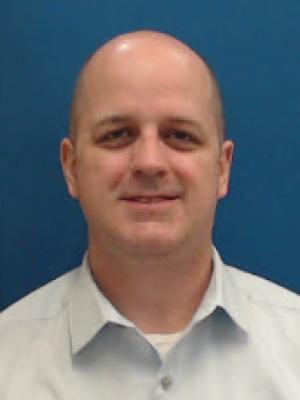
R. Jeremy Hubbard, PT, MPT, DSc
Email: [email protected]
Assistant Professor
PTA Program Director